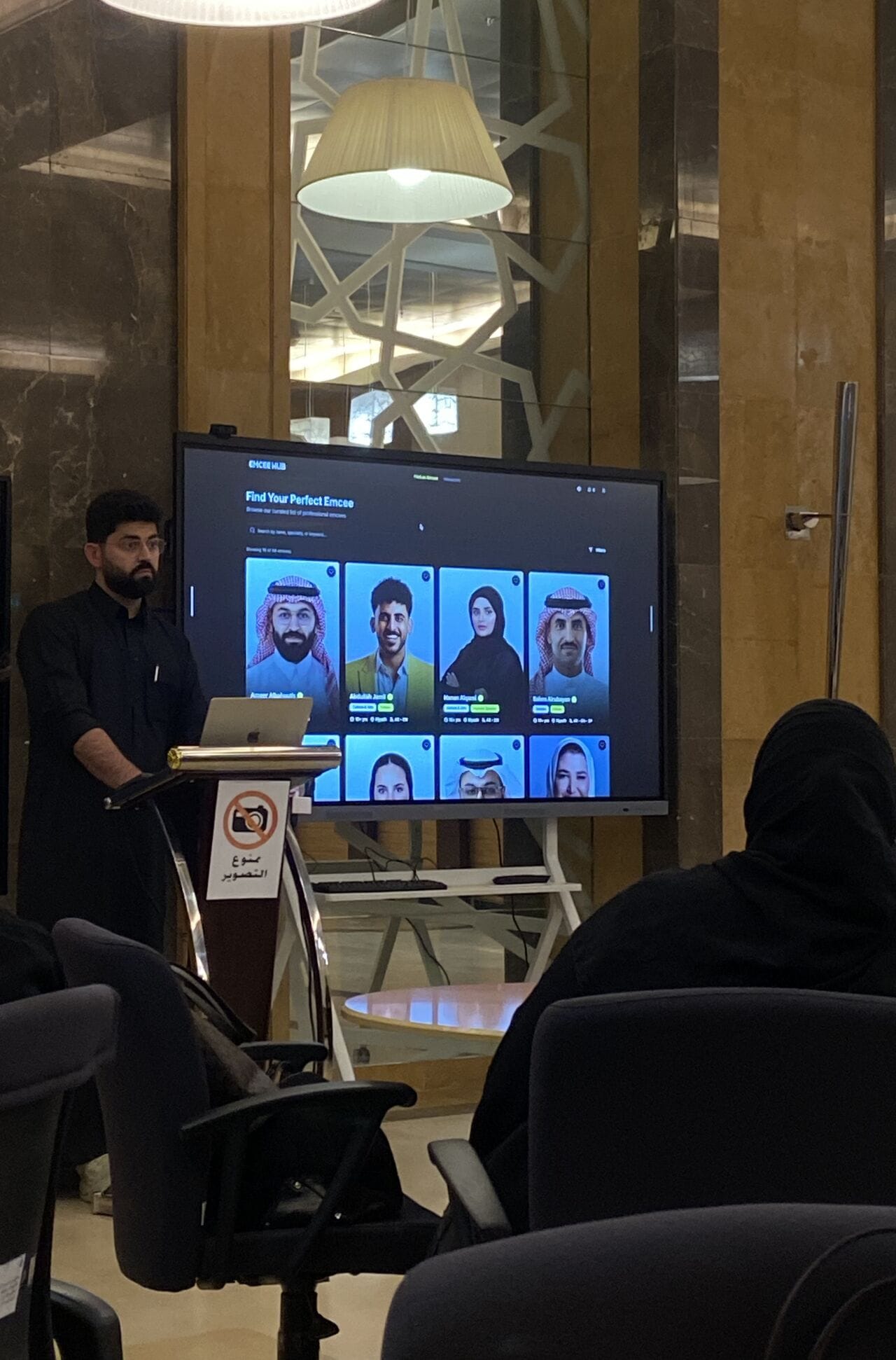
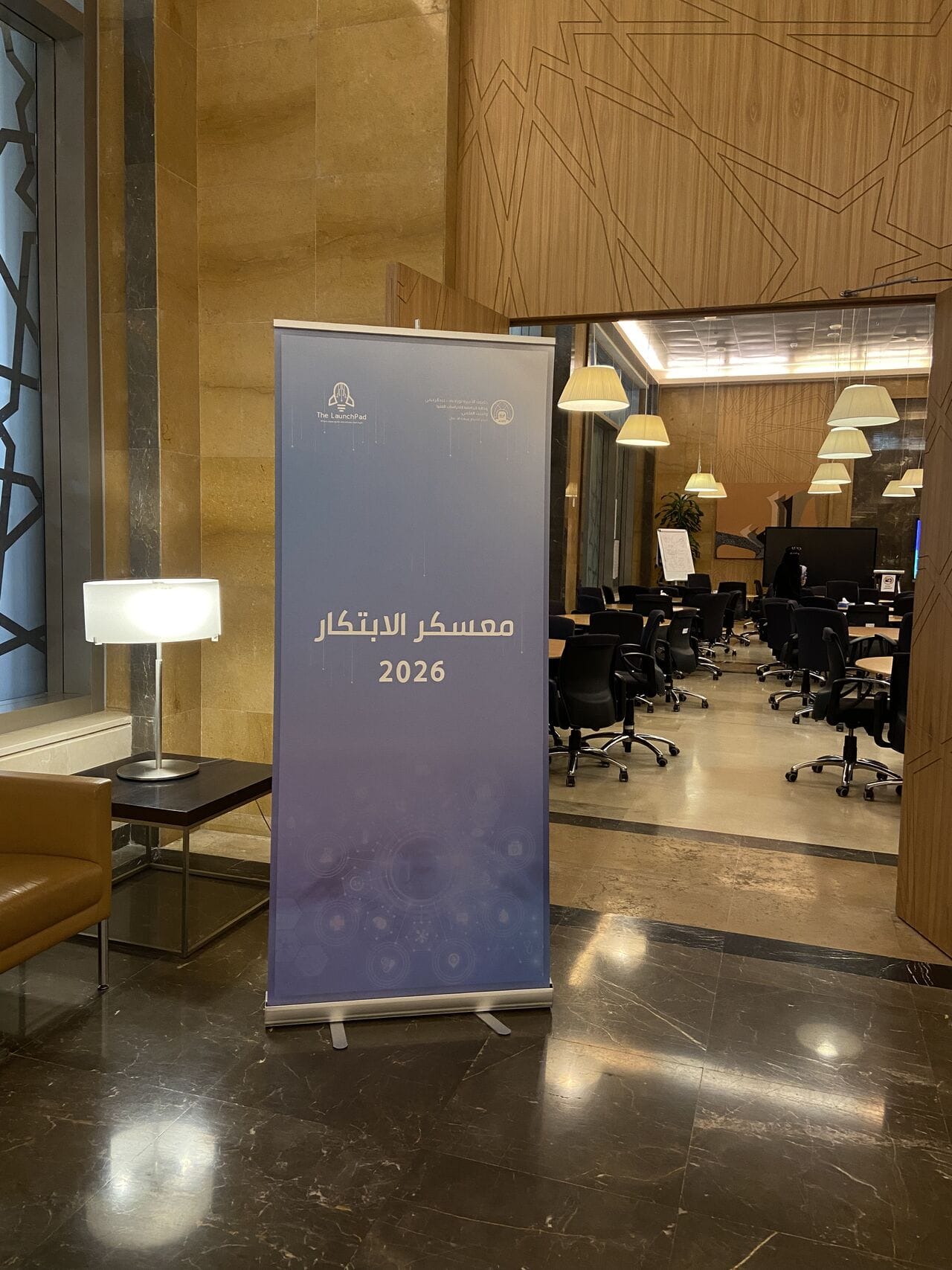
Most people think innovation is about ideas. It’s not. It’s about execution. That was the real focus of my sessions during the third week of the Innovation Camp at Princess Nourah bint Abdulrahman University. I wasn’t there to teach participants how to come up with ideas. I was there to show them how to move.
The biggest problem I see, whether with founders, students, or executives, is not a lack of intelligence or creativity. It’s hesitation. People wait for clarity, for confidence, for the perfect moment. They try to reduce uncertainty before taking action. But clarity doesn’t come before movement. It comes because of movement. And by the time most people feel ready, the opportunity has already passed.
That’s why we didn’t start with tools or frameworks. We started with identity. Because the way you see yourself determines how you execute. When someone is aligned with what they are building, execution stops feeling like effort. It becomes a natural extension of who they are. Mastery, in that sense, is not a skill you acquire. It is a reflection of alignment between who you are and what you choose to build.
One of the most important shifts during the sessions was how participants began to see marketing. Not as promotion, not as content, and not as campaigns. But as understanding. Understanding the problem deeply, understanding the user clearly, and understanding the behavior that drives decisions. When you approach marketing from this perspective, you stop asking how to sell something and start asking why someone would care in the first place. That question alone changes the quality of everything you build.
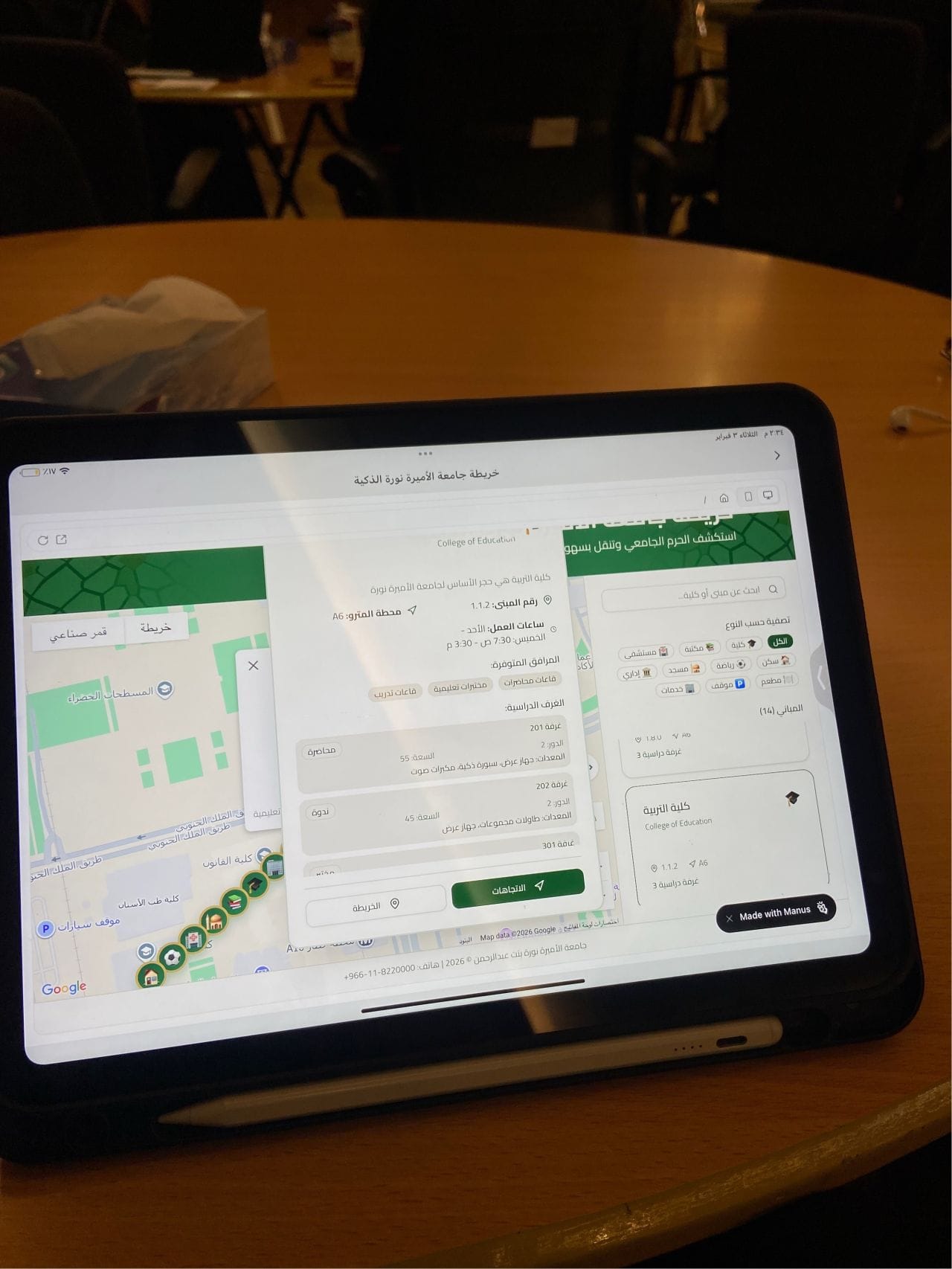
From there, we moved into execution. Specifically, how to go from an idea to an MVP using tools like Manus.ai and AI workflows. The goal was not to build something perfect, but to build something real. Something that can be tested, interacted with, and improved. In today’s environment, the barrier to building has never been lower. What slows people down is not capability. It’s overthinking.
This is where I introduced the concept of “Prototype Plus.” A stage beyond the traditional prototype. Not just something that looks like a product, but something that behaves like one. Something that users can engage with, react to, and challenge. Because real clarity only emerges when your idea meets reality.
By the end of the week, the shift wasn’t in what participants knew. It was in how they approached action. Ideas became simpler. Execution became clearer. And the distance between thinking and building started to shrink. That is always the real outcome. Not information, but perspective.
If there is one idea that captures everything we worked on, it is this: if it is more than 51%, do it. Not when it is perfect, not when it is guaranteed, but when it is slightly in your favor. The people who build are not the ones who wait for certainty. They are the ones who move, and then figure it out along the way.